

Buying Guide
Find an Office or Desk Promotional Gift that Talks your brand
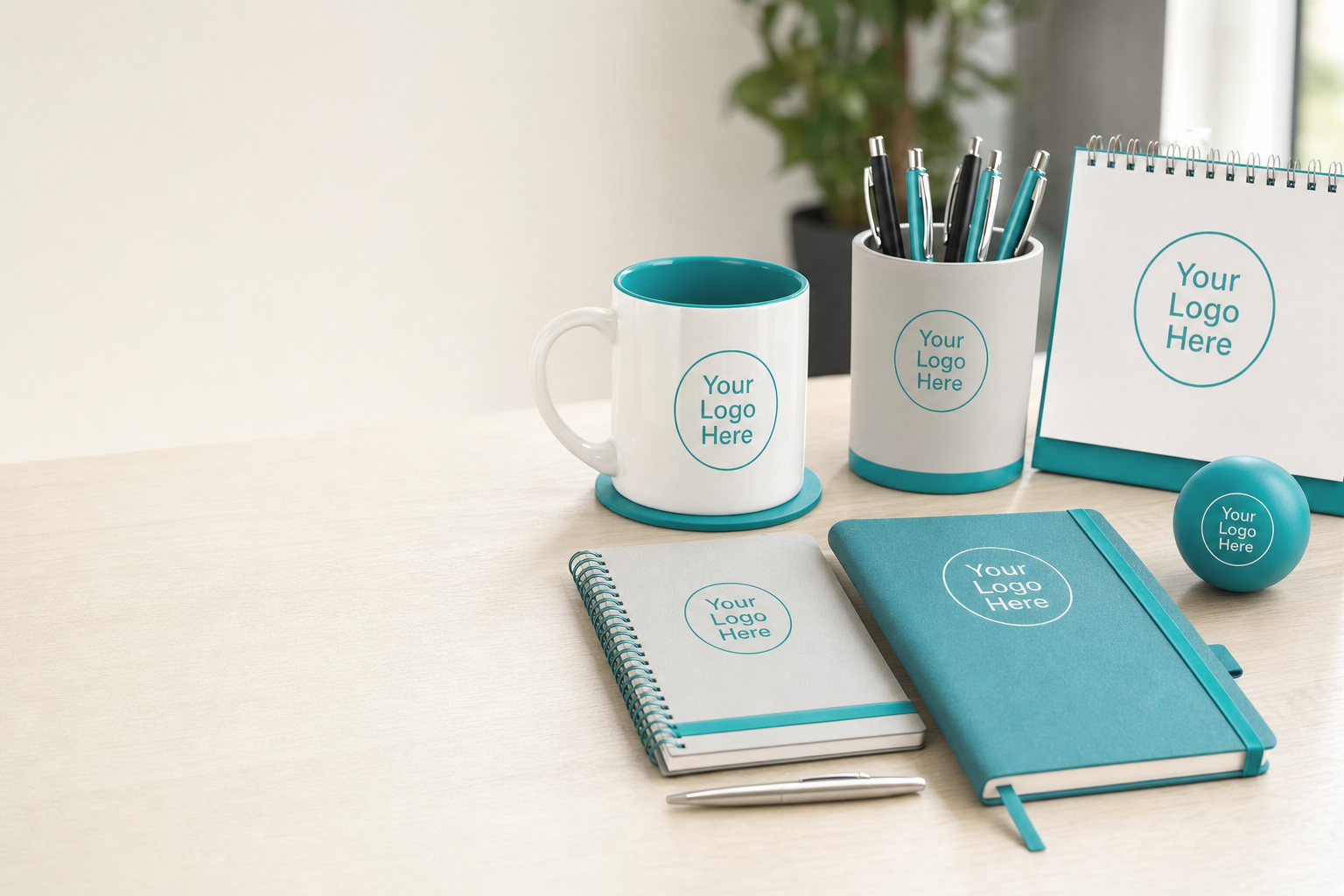
Stays in front of the customer whilst they are working, visiting customers see a cohesive brand as they walk around your business or office. Your brand is in front of you all of the time, reinforcing your own business ethos or message. High quiality image. Professional approach. Products must include items such as Mugs, desk tidy, stress toys, calendar, notepads, diary
Why desk and office gifts matter for your brand
Help the reader understand the practical value of desk-based promotional merchandise and what business question it answers.
Desk and office gifts are chosen because they stay in front of the recipient while they work. The goal is steady, low-key brand reinforcement — not a one-off impression — so the right item becomes part of a daily routine.
- Typical objectives: increase brand recall, present a professional image to visitors, support employee gifting, or mark product launches.
- Common items to consider: mugs, notepads, desk tidies, calendars, diaries, stress toys and pen sets.
- Success looks like consistent use, good visual integration with your workspace and a feeling of quality that aligns with your organisation.
Key decision criteria to guide your choice
Give decision points that help compare different product types and focus on what matters for this brief.
Before picking specific items, set clear priorities. Use these criteria to evaluate options and narrow the shortlist.
- Usefulness: Will people keep and use it every day? Practical items (mugs, notepads, calendars) typically win longevity.
- Visibility: Is the item clearly visible to guests and colleagues from a few metres away, or is it tucked away?
- Brand fit and finish: Does the material quality and design reflect your brand values—professional, playful, premium, sustainable?
- Desk footprint: Consider size. Small items (stress toys, pens) are less intrusive but also less visible; larger items (calendars, tidy organisers) draw more attention.
- Customisation options: Check logo placement, colour matching and whether you can add messaging or campaign artwork.
- Sustainability and materials: If this matters to your brand, ask suppliers about materials, recyclability and packaging, and confirm claims with evidence.
Realistic options and their trade-offs
Compare typical items and explain the trade-offs so the reader can match item type to goals.
Each product class brings strengths and compromise. Think in terms of visibility versus longevity and novelty versus perceived quality.
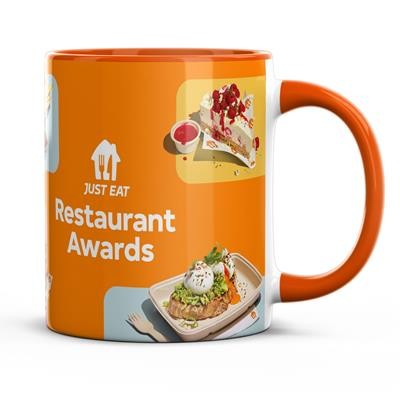
- Mugs — Highly useful, seen repeatedly, good canvas for a logo. Trade-off: heavier and breakable; consider material and print durability.
- Notepads & notebooks — Regularly used and often kept on desks. Trade-off: smaller visible logo area and variable perceived value depending on paper quality.
- Desk tidies & organisers — Strong visual presence and practical; they show a cohesive branded workspace. Trade-off: larger footprint means some recipients may prefer a smaller item.
- Calendars (desk or page-a-day) — Daily visibility and useful for planning. Trade-off: seasonal relevance and limited lifespan (annual).
- Diaries — Perceived as premium and professional; good for client gifts. Trade-off: depends on format preference (digital vs paper) for recipients.
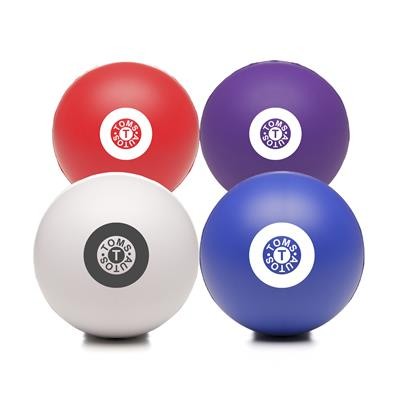
- Stress toys & small desk accessories — Fun, low-cost options that encourage interaction. Trade-off: lower perceived longevity and less professional in certain settings.

Practical selection and evaluation steps
Provide actionable steps to shortlist items, evaluate samples and prepare to place an informed order.
Follow a simple process to move from idea to confident choice without overcomplicating procurement.
- Clarify objectives: define who will receive the item, intended impression, and whether this is for internal staff, clients, or events.
- Audit the environment: check typical desk sizes, meeting-room surfaces and visitor routes to understand visibility needs.
- Shortlist 2–4 product types: balance a high-visibility item (calendar or tidy) with a high-utility item (mug or notepad).
- Request samples and proofs: always see and handle a real sample and an accurate print proof before committing. Confirm how colours are matched and how logos will appear on the chosen material.
- Assess pack presentation: for client or staff gifts, packaging can affect perceived value — consider a neat branded box or sleeve.
- Pilot before wide rollout: run a small test batch in an office or with a client group and collect feedback before a full order. Confirm final specifications with your chosen supplier.
Common mistakes and questions to avoid
Call out pitfalls that typically derail a successful merchandise programme and answer frequent practical queries.
People often focus on price or novelty rather than fit and durability. The following points address common missteps and practical concerns.
- Choosing the cheapest option — It can harm perceived brand quality. Consider total value: how long the item will be used and how it represents your brand.
- Ignoring desk context — An oversized item may be unused; a very small item may be invisible. Match item size to the workspace.
- Over-designing artwork — Small print areas require simplified logos and clean layouts to remain legible.
- Assuming finishes are permanent — Ask how prints react to washing, sun exposure and daily wear and confirm with supplier samples.
- Not checking proofs — Always approve a physical proof or sample. Digital mock-ups can be misleading for colour and texture.
- Questions to ask suppliers — Can I see a sample? How is colour matched? What print or engraving method will be used? Are there alternative finishes? Be explicit and confirm details in writing.
A clear next step to move this forward
Give the reader a practical, low-friction next action to turn the guidance into a decision.
Make the next move straightforward so stakeholders can act without delay.
- Prepare a short brief for suppliers: include your brand guidelines, intended recipients, preferred product types (e.g. mug, desk tidy, calendar, notepad, diary, stress toy), and an estimated order size if possible.
- Ask for samples and print proofs from two or three suppliers so you can compare materials and finish.
- If you’d like tailored help, contact our team with your brief and we can propose a focused shortlist and coordinate sample requests. Be ready to share a logo file and brand colours for accurate proofs.
These steps keep the process efficient and reduce uncertainty while preserving options for refinement after you review samples.
Where would you like to go next?
Take your time. You can explore suitable products, keep learning, or ask our team for a second opinion.
A small selection to help turn “Find an Office or Desk Promotional Gift that Talks your brand” into practical choices.