

Campaign Guide
Customer Appreciation
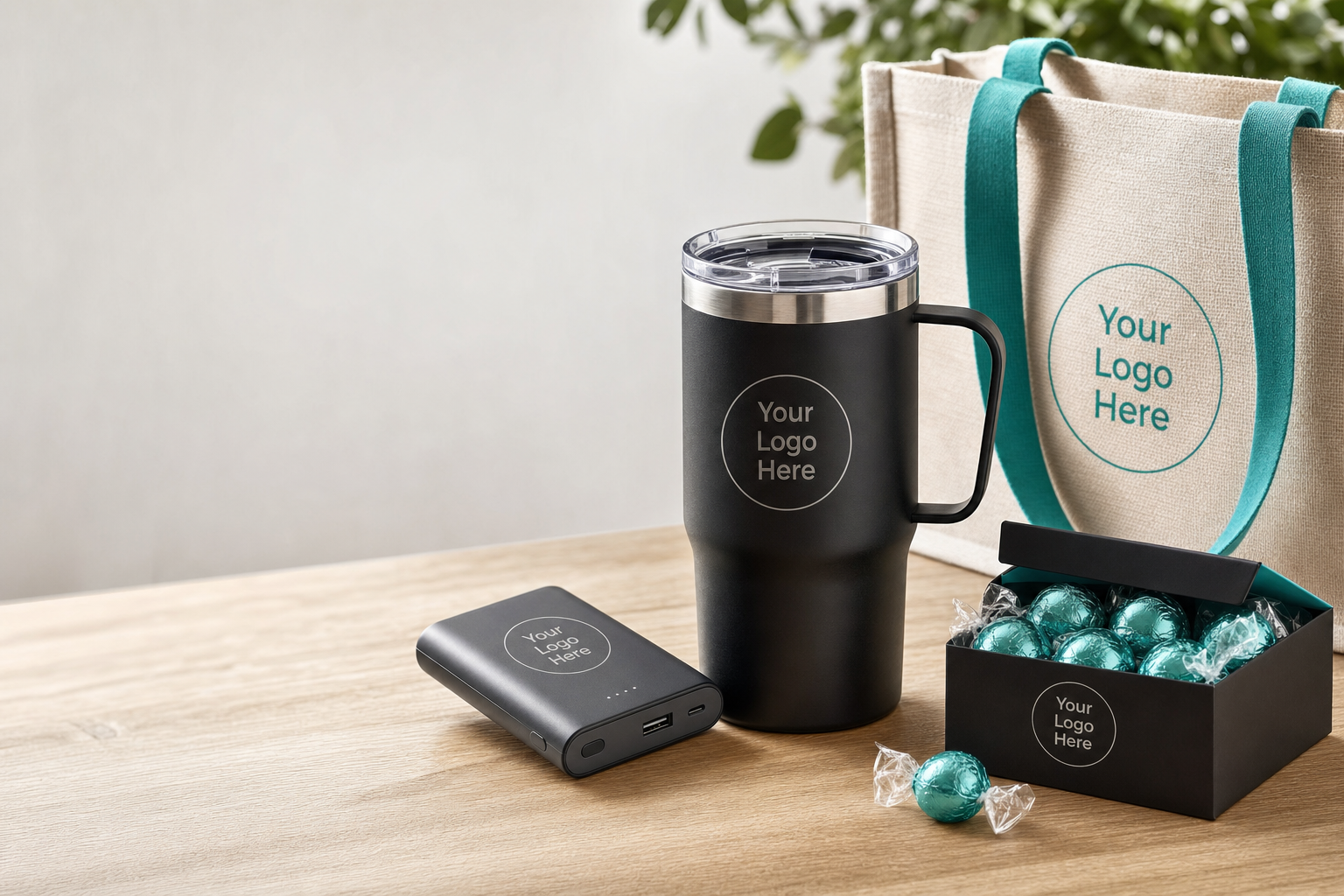
Focusing on high utility, perceived quality, and alignment with your audience's daily routine. Popular and well-received options that have a great shelf life include insulated drinkware, tech accessories like power banks, eco-friendly tote bags. For a quick hit, everyone loves sweets, biscuits and chocolate treats.
Campaign proposition: what success looks like
Helps you decide the core objective for the campaign and the customer experience you want to deliver.
This campaign is about saying thank you in a way that feels useful, considered and on‑brand. Aim for gifts that integrate into recipients’ daily routines so your brand is seen and appreciated over time rather than forgotten after a single use.
- Typical outcomes to aim for: increased goodwill, improved retention, stronger rapport for account teams and higher brand recall.
- Signal value through perceived quality and useful packaging rather than just cost — presentation matters.
Audience and timing: who receives what, and when
Helps you decide who to include, how to segment recipients and what timing will make the gesture most effective.
Start by defining recipient segments that have different relationships to your business: e.g. key accounts, frequent purchasers, newly onboarded customers or win‑back targets. Tailor the gift approach to the relationship and expected ROI.
- Segment by value and relationship: higher value or long‑term clients can receive premium items; broader lists suit practical, lower‑cost options.
- Choose timing that amplifies relevance: contract renewals, anniversaries, post‑project delivery, or seasonal moments.
- Consider local differences in preferences, corporate gifting rules and dietary/allergy considerations if sending edible items.
Why it matters: the strategic case
Addresses whether a merchandise programme is worth the investment and how it supports business goals.
Promotional gifts are a relationship tool. When chosen well they reinforce your brand values, reward loyalty and give account teams a tangible way to maintain contact. The strongest campaigns are those that align product choice with recipient behaviour and brand positioning.
- Useful, everyday items drive repeated exposure and more subtle brand reinforcement than novelty gifts.
- Sustainability and provenance matter increasingly; consider eco‑friendly options and be ready to answer questions about materials or supply chains.
- Measure impact with simple metrics: delivery rates, follow‑up engagement from recipients and any uplift in retention or renewal conversations.
Practical creative and product directions
Gives tangible, non‑prescriptive product directions to inspire choice without inventing specifications.
Focus on three clear product directions that balance utility, perceived quality and broad appeal.
- Insulated drinkware
Great for daily visibility. Consider durable finishes, considered packaging and subtle logo placement. Offer options for travel mugs, bottles or tumblers to suit audience habits.
- Tech accessories (portable chargers, cables, cases)
High perceived value and frequent use, especially for itinerant professionals. Branded power banks and tidy cable organisers are practical choices — confirm safety and certification details with suppliers.
- Eco‑friendly bags and everyday carry items
Reusable tote bags, recycled materials and multi‑use organisers communicate practical sustainability. Keep branding tasteful and functional.
- Consumables for a quick hit
Chocolate, biscuits or sweets tend to get immediate positive reactions. If you choose edible gifts, check allergen labelling, origin and any corporate policies for recipients.
- Branding and packaging ideas
Consider subtle embossing, tonal colourways or a personalised note to increase perceived value. Packaging is part of the experience — neat presentation increases the chance the item will be kept and used.
Planning guidance: from brief to delivery
Guides the operational decisions you need to make and the sequence of tasks to deliver the campaign successfully.
Use a simple, phased plan to keep the project on track. Don’t assume standard lead times or minimums — confirm these early with potential suppliers and factor them into your schedule.
- Define objective and target list: be explicit about who receives what and why.
- Set a realistic budget range and prioritise items that give the best utility-to-cost ratio for your segments.
- Request samples and check proofs: test materials, print quality and packaging before approving full production.
- Plan the fulfilment approach: direct shipment, pallet delivery or individual packing and posting — each has different handling and tracking considerations.
- Compliance checklist: confirm artwork approval workflows, labelling for food items, data privacy for personalised gifts and any local gifting policies that affect recipients.
- Communicate with internal teams: sales and account managers need visibility of timing and recipient lists so they can follow up appropriately.
Clear next step: get the plan moving
Provides a practical immediate action to turn ideas into delivery and the questions to bring to a supplier or internal kick‑off.
Move from idea to action with a short discovery packet and a supplier conversation. Keep this early stage about confirming fit rather than finalising every detail.
- Assemble a 1‑page brief: campaign objective, target segments (with quantities per segment), budget band and any brand or sustainability requirements.
- Suggested questions to ask suppliers or your internal procurement team:
- Can you provide samples and artwork proofs before full production?
- Which materials and finishes do you recommend for durability and perceived quality?
- What are the fulfilment options and how do they affect handling and tracking?
- Are there any certification, labelling or dietary requirements we need to confirm for consumables?
- Next practical step: gather the recipient list and a simple budget range, then arrange a short discovery call with your chosen supplier to validate options and request samples.